Understanding WCAG & ADA Compliance:
What you need to know
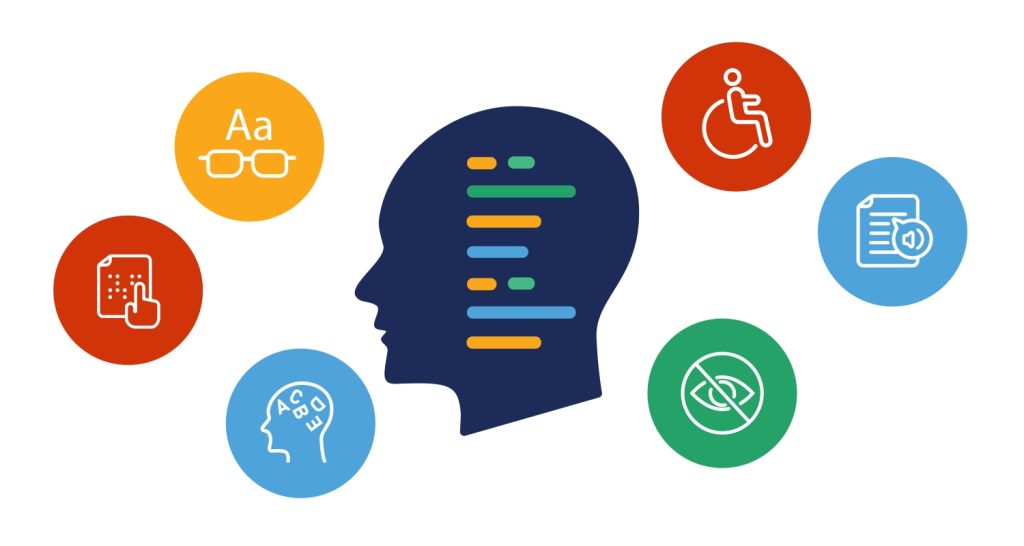
In an increasingly digital world, web accessibility is no longer optional. Ensuring that websites and mobile applications are accessible to individuals with disabilities is a legal and ethical obligation. The Web Content Accessibility Guidelines (WCAG) provide a set of standards to help businesses and organizations create inclusive digital experiences. Compliance with WCAG also aligns with the Americans with Disabilities Act (ADA), reducing legal risks while promoting accessibility.
The Department of Justice Rule published april 24, 2024
Nondiscrimination on the Basis of Disability; Accessibility of Web Information and Services of State and Local Government Entities
On April 24, 2024, the U.S. Department of Justice (DOJ) published a final rule under Title II of the ADA to enhance web and mobile app accessibility for people with disabilities. This rule aims to ensure that state and local government digital services are accessible, emphasizing compliance with WCAG 2.1, Level AA standards.
Who Needs to Comply?
Government Entities
Federal, state, and local agencies must adhere to Section 508 of the Rehabilitation Act.
Businesses Open to the Public
This includes retail, healthcare, financial services, hospitality, and other industries governed by Title III of the ADA.
Organizations Receiving Federal Funding
Any entity that benefits from federal funding must meet accessibility requirements.
Key Dates & Compliance Deadlines
June 2024
Effective date of the DOJ ruling.
June 2025
New ADA digital accessibility rules take effect for state and local governments.
April 2026
Compliance deadline for state and local governments with populations of 50,000 or more.
April 2027
Compliance deadline for state and local governments with populations under 49,999.
Ongoing
Private businesses potentially face lawsuits if websites are not accessible.
WCAG 2.1, Level AA
The most widely accepted standard for compliance.
At Kinetix, we help organizations navigate the complexities surrounding ADA considerations and WCAG guidelines by using AI-powered technology designed to enhance website accessibility. Our solutions integrate with a wide range of websites—whether or not they are developed or hosted by Kinetix—and support ongoing efforts to identify and address accessibility-related issues. This approach can help businesses and government agencies improve usability, reduce barriers, and work toward alignment with recognized accessibility standards.
How Kinetix helps:
AI-Driven Accessibility Enhancements
Use AI-powered tools to help improve website accessibility and support a better user experience.
WCAG 2.1 Level AA Alignment Support
Support efforts to align with widely recognized accessibility guidelines and evolving regulatory expectations.
Custom Accessibility Audits
Identify potential accessibility gaps and receive prioritized, actionable recommendations.
Ongoing Monitoring & Support
Monitor accessibility-related issues over time and support continuous improvement as content and standards change.
As digital accessibility continues to receive increased legal and regulatory attention, many organizations are prioritizing alignment with accessibility guidelines such as WCAG and considering ADA-related requirements. Kinetix helps businesses and government organizations navigate this evolving landscape by supporting accessibility improvement efforts and fostering more inclusive digital experiences.
Check your website’s WCAG status today:
Visit our accessibility compliance page to get started.